
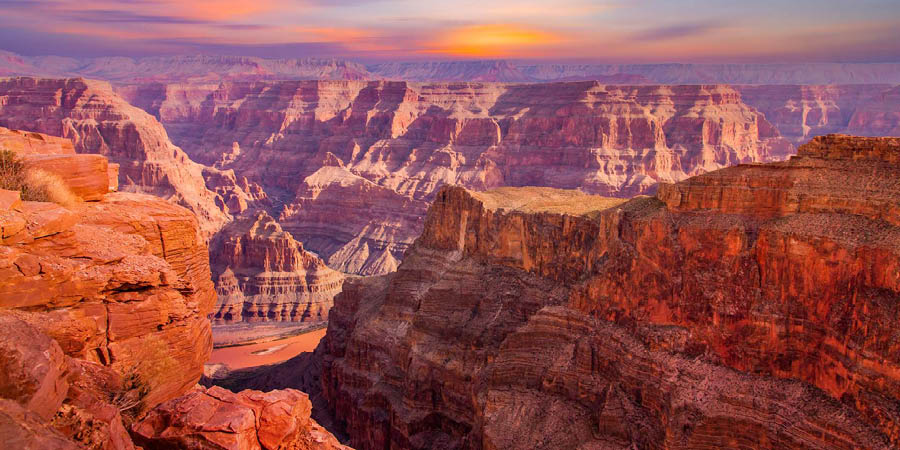
The newest national parks updates brought major shifts to how visitors experience public lands. Officials framed these changes as improvements, but the public reacted sharply. Many environmental groups, tribal communities, scientists, and conservation organizations raised concerns about the long term impact.
As these conversations grew, backlash increased both at home and abroad. Critics argue that the national parks updates weaken protections and create openings for misuse. They also warn that the changes drift away from the core purpose of protected areas.
Infrastructure Expansion and Commercial Development
New construction inside protected spaces
One of the most controversial national parks updates involves expansions built directly inside protected zones. New roads, widened parking areas, and service structures now cut through habitats that once remained undisturbed. These projects reduce natural space, increase noise, and create long term congestion. As one conservation advocate put it, “Every new stretch of pavement chips away at the ecosystems these parks are meant to protect.” Many experts argue that these changes signal a shift toward visitor volume rather than ecological stewardship.
Domestic and international criticism
The backlash extended far beyond park enthusiasts. Domestic conservation groups criticized the updates for prioritizing commercial interests over preservation, describing them as a “shortcut that ultimately shortchanges the next generation.” International environmental organizations echoed the concern, noting that many countries are strengthening protected areas while the U.S. appears to be moving in the opposite direction. As one global policy analyst said, “These decisions undermine the very principles national parks were created to uphold.”
Shifts in Fees and Reservation Systems
Recent national parks updates changed fee structures and reservation rules. Entry costs increased, and reservation windows became more limited. These shifts make spontaneous trips harder and add pressure on lower income families.
Local communities also voiced concern about access. They worry that parks now feel less public. International groups echoed this sentiment, since many advocate for broader inclusion, not tighter restrictions.
| Type of Pass or Entry | 2025 Fees | 2026 Fees | Changes |
|---|---|---|---|
| Annual pass (U.S. citizens / permanent residents) | US$ 80 | US$ 80 | No change |
| Annual pass (Non-U.S. residents) | US$ 80 | US$ 250 | +US$ 170 |
| Single-entry (or standard entrance fee) + surcharge — Non-residents visiting the 11 busiest parks | Standard entrance fee only | Standard entrance fee + US$ 100 surcharge per entry | +US$ 100 surcharge |
Notes
- The surcharge applies to the 11 most visited national parks in the U.S.
- The standard entrance fee varies by park and vehicle type.
- The surcharge is added on top of the standard fee.
Parks included in the surcharge list:
- Acadia National Park
- Bryce Canyon National Park
- Everglades National Park
- Glacier National Park
- Grand Canyon National Park
- Grand Teton National Park
- Rocky Mountain National Park
- Sequoia & Kings Canyon National Parks
- Yellowstone National Park
- Yosemite National Park
- Zion National Park
Wildlife and Conservation Policy Adjustments
Loosened protections that worry scientists
Several national parks updates reshaped wildlife management standards and conservation protocols in ways that scientists describe as deeply concerning. The new rules loosen restrictions on how close visitors can get to sensitive habitats and reduce oversight on human–wildlife interactions. Researchers argue that these changes increase stress on already fragile species, disrupt natural behavior patterns, and create long term ecological instability. Moreover, they worry that park administrators now focus on accommodating higher visitor volumes rather than strengthening scientific safeguards designed to protect these ecosystems.
Expanded land use debates
Recent national parks updates also altered land use policies along the edges of protected areas, reopening long standing debates over nearby development. These changes expand pathways for mining, logging, and commercial projects just outside park borders. Critics warn that such activity does not stay neatly contained and often affects water quality, wildlife migration corridors, and air conditions inside the parks themselves. They believe that weakening the buffer zones blurs the line between protected and unprotected land, exposing national parks to risks that contradict their conservation mission.
Cultural and Historical Interpretation Changes
Some of the most troubling national parks updates involve major revisions to interpretive signs, historical panels, and educational displays. Visitors at several parks have reported finding empty stands where plaques once detailed forced Indigenous removals, broken treaties, and long established stewardship practices. However, the changes extend beyond Indigenous history. In parks connected to plantation sites, Civil War landscapes, or early settlement routes, travelers also noticed vanished or rewritten panels that previously acknowledged enslaved labor, resistance movements, or the economic systems built on slavery.
These quiet removals create the sense that difficult truths are being edited out piece by piece. One historian commented that “when the stories of the people who suffered are reduced or erased, the landscape becomes a stage set rather than a place of real history.” Tribal leaders, descendants of enslaved communities, and educators all argue that these revisions undermine public understanding at a moment when many visitors are seeking fuller, not softer, narratives about the past.
Expansion of Digital Monitoring and Visitor Tracking
Recent national parks updates expanded digital monitoring across several locations. New surveillance tools and AI supported systems now track visitor movement. Privacy advocates worry about the broad scope of these tools, and they question how the data will be used.
Conservation groups also raised a separate concern. They believe technology receives more attention than essential ecological work. As a result, staffing shortages and restoration projects continue to fall behind.
Final Thoughts
The newest national parks updates sparked intense debate across the conservation community. Many visitors appreciate minor conveniences, but the broader reaction highlights deeper issues. Critics believe these updates weaken protections, distort history, and sideline long term stewardship.
As discussions continue, public engagement will matter. The future of national parks depends on strong advocacy and a renewed commitment to preserving these landscapes with honesty and care.
