
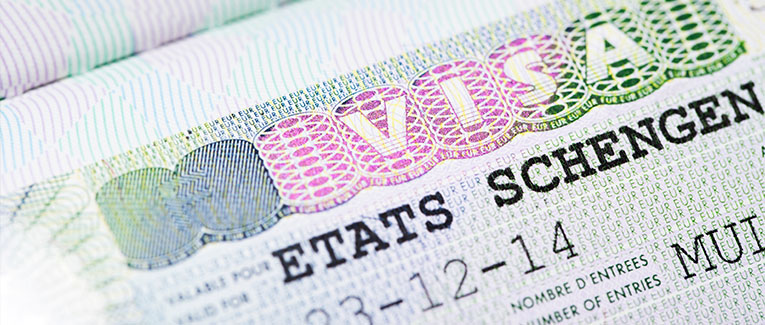
Traveling to Europe is about to get easier. The Schengen visa digital transition will replace traditional visa stickers and in-person paperwork with a fully online process by 2028. This upgrade aims to make applying for a Schengen visa more efficient, secure, and accessible.
From Paperwork to Pixels: A New Era of Travel
For years, applying for a Schengen visa meant juggling printed forms, long consulate visits, and waiting for a sticker in your passport. But soon, travelers will handle everything digitally—from application to approval. Here’s how the process will change:
Schengen Visa Process: Then vs. Now
Old Process (Traditional):
- Download and print visa application form
- Fill out manually
- Book an appointment at the consulate
- Submit paperwork in person
- Provide biometric data at appointment
- Wait for a physical visa sticker
- Collect your passport or wait for delivery
New Process (Digital Transition):
- Access a central EU visa portal online
- Fill out and submit the form digitally
- Upload supporting documents (passport, proof of funds, travel plans)
- Pay visa fee online
- Provide biometric data only if it’s your first time or expired
- Receive a digital barcode visa—no sticker, no consulate trip for most
This streamlined process means travelers can complete nearly every step from home. Only those applying for the first time or whose biometric data is no longer valid will need to appear in person.
Why It Matters
The Schengen visa digital transition is part of the EU’s broader effort to modernize border controls and improve traveler experience. The encrypted digital visa barcode is harder to counterfeit than physical stickers. It also allows border agents to process entries faster.
Europe expects this change to generate over €50 billion in economic benefits between 2025 and 2029, thanks to time savings and smoother travel flows. Meanwhile, operating costs for the new system will remain modest—less than €13 million annually.
What’s Next?
The platform is being developed by eu-LISA, the EU’s digital agency. The first version is expected by 2026, with a full rollout by 2028. Member states have until 2031 to complete the transition, though many are aiming to adapt sooner.
This new system will also work alongside upcoming changes like the Entry/Exit System (EES) and ETIAS authorization, both designed to improve security and efficiency for travelers.
Travel, Simplified
The Schengen visa digital transition represents a major step toward frictionless travel. Whether you’re planning a weekend in Paris or a backpacking trip across southern Europe, applying for a visa will soon be as easy as booking your flight. No more long consulate lines, no more guesswork—just a smoother journey from start to finish.
