
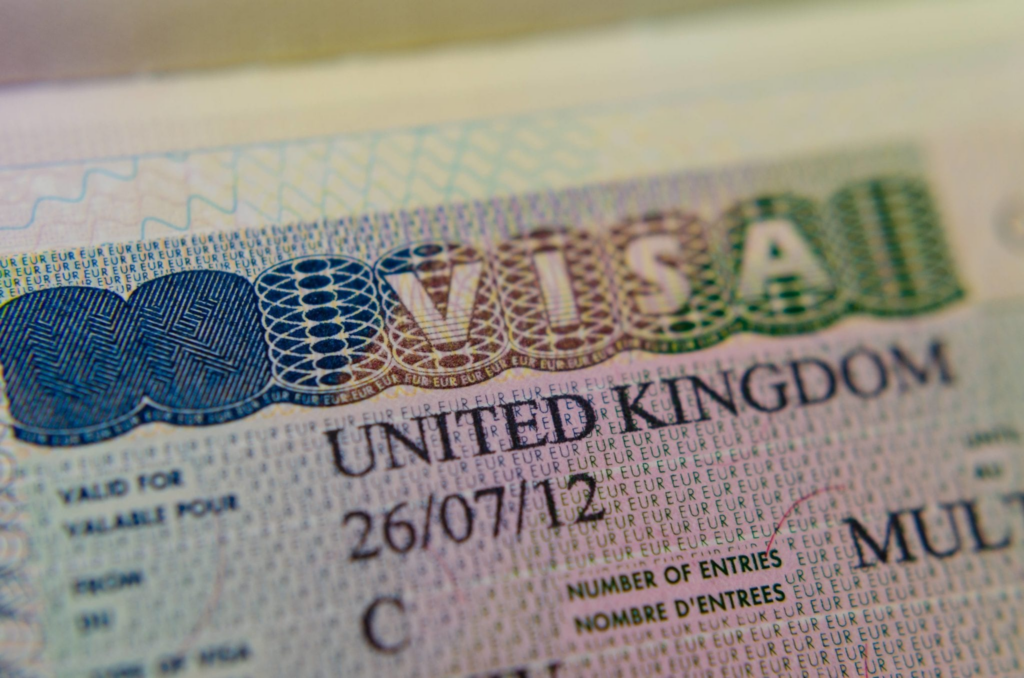
For decades, the United Kingdom has stood among the most influential destinations for international education. Historic campuses, globally recognized degrees, and a thriving multicultural student community draw learners from every corner of the world.
A new immigration decision has interrupted that long-standing flow for several nations.
The UK government has suspended new student visas for nationals of Afghanistan, Cameroon, Myanmar, and Sudan. Officials introduced the policy as an “emergency brake” within the immigration system following a rise in asylum claims from people entering the country through legal migration routes such as study visas.
The Policy Shift
British authorities describe the measure as an unprecedented move in the country’s immigration framework. It represents the first time the government has halted a study visa route for specific nationalities in response to asylum trends.
The suspension also includes work visas for Afghan nationals.
Government officials say the change responds to patterns in which some individuals entered the UK legally as students and later applied for asylum.
Data from the Home Office shows that a significant share of asylum claims in recent years came from people who initially arrived through legal visa channels.
Numbers Behind the Decision
Statistics cited by authorities highlight the scale of the trend:
- About 39 percent of the 100,000 asylum claims recorded in 2025 came from individuals who entered the UK via legal migration routes such as study visas.
- Asylum applications from students from the four affected countries increased sharply between 2021 and 2025.
Academic data also reveals how small these student groups are compared with the overall international student population. Approximately 3,880 students from the four countries studied in the UK during the 2024–2025 academic year, representing about 0.57 percent of all international students.
Researchers also recorded very high asylum application rates among certain groups. For example, 95 percent of Afghan students who entered on study visas later applied for asylum.
What the Suspension Means for Students
The policy targets new applications submitted outside the United Kingdom. Applications filed before the rule change continue through the normal process. Existing visa holders may still extend their visas or switch to other immigration categories if eligible.
For prospective students, the immediate effect is a pause in one of the most popular education pathways to Europe.
British universities depend heavily on international students. Tuition fees from overseas learners provide a substantial share of institutional funding and support research programs, campus development, and scholarships.
A sudden restriction in student mobility therefore carries implications beyond immigration policy. Universities, recruitment agencies, and prospective students must adapt quickly.
The Global Education Ripple Effect
International education moves in waves shaped by politics, visa policies, and economic trends. Canada, Australia, and the United States have all tightened international student rules at different moments over the past decade.
The UK’s latest decision adds another shift to that pattern.
Students who once planned a British degree may now look toward alternative destinations in Europe, Asia, or the Middle East. Universities in those regions often expand recruitment when policies tighten in major study hubs.
Global education travel evolves through these policy adjustments. Each shift redraws the map of opportunity for the next generation of scholars.
