
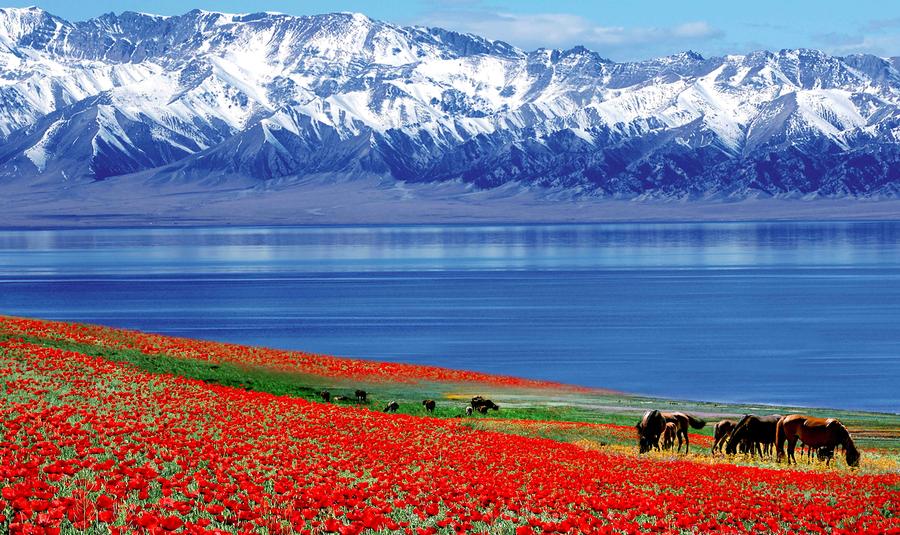
In 2024, Xinjiang attracted around 300 million visitors, more than double the number in 2018. Its dramatic scenery, diverse landscapes, and cultural heritage appeal to travelers across China. Yet the experience is tightly controlled, and tourists mostly see what the government wants them to see.
A Region Opening to Tourism
Xinjiang once had limited tourism due to political tensions and safety concerns. Reports of violence and unrest, combined with allegations of human rights abuses—including the detention of over a million Uyghur Muslims—kept many travelers away. Human Rights Watch and other international organizations have documented serious rights violations, such as forced sterilizations and restrictions on religious practices. China consistently denies these claims.
Despite the controversy, Xinjiang has become a growing destination for domestic tourists. Beijing has invested billions of yuan in infrastructure, TV productions, and promotions to showcase a curated version of the region. Foreign visitors generally encounter controlled experiences, similar to tourism in North Korea, where authorities dictate what tourists can access.
Stunning Landscapes and Cultural Highlights
Xinjiang spans 1.66 million square kilometres in northwest China, bordering eight countries. The region features rugged mountains, sweeping canyons, grasslands, and pristine lakes. Travelers can visit the Altay Mountains in the north, Kanas National Park, southern deserts, and historic Silk Road towns like Kashgar.
Visitors often describe the scenery as a combination of New Zealand, Switzerland, and Mongolia. However, access to daily local life remains limited, and authorities tightly manage tours and interactions.
Curated Cultural Experiences
Tour operators structure Xinjiang itineraries carefully. Most drivers and guides are Han Chinese, who now make up about 40% of the population. Tourists encounter Uyghur communities occasionally, but interactions are limited, and foreigners must stay in designated hotels.
Cuisine and cultural performances form the core of the tourist experience. Visitors can enjoy local dishes like “big plate chicken,” lamb skewers, and fermented mare’s milk. Traditional music and dance performances showcase Uyghur heritage, though critics say these presentations are often staged for visitors rather than reflecting everyday life.
Social Media and Tourism Promotion
State media and Chinese influencers highlight Xinjiang’s scenic beauty and culture, while political controversies rarely appear. Social platforms showcase autumn poplar forests, turquoise lakes, and mountain vistas. This carefully curated promotion presents a picture-perfect version of the region but does not reflect the full human rights context.
Critics warn that Xinjiang tourism resembles North Korea, where visitors only see what authorities allow. Uyghur-American activist Irade Kashgary describes the tours as “whitewashed,” hiding serious issues from visitors.
The Future of Tourism in Xinjiang
Beijing aims to attract over 400 million visitors annually and generate 1 trillion yuan in tourism revenue by 2030. Domestic tourists dominate for now, but international interest is growing. Investments in luxury hotels, infrastructure, and tour routes improve accessibility while keeping oversight strict.
Xinjiang offers extraordinary natural beauty and cultural richness. Visitors can explore mountains, lakes, deserts, and Silk Road towns. Still, those interested in the region’s full history and contemporary realities must recognize the limitations and political context of this curated tourism.
