
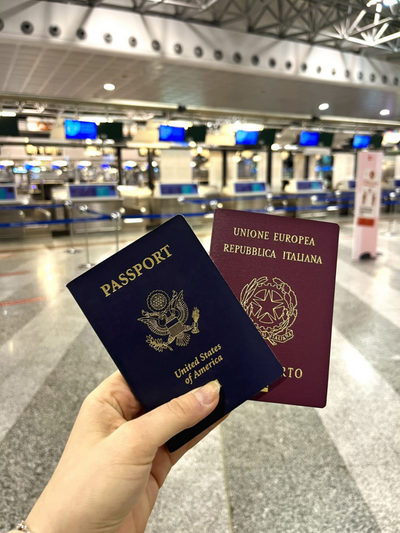
A passport carries more than a nationality. It opens doors to new economies, travel freedoms, and long-term security. Interest in second citizenship continues to grow as individuals seek global mobility and a reliable plan for the future.
A 2026 report from International Living highlights 11 countries offering the fastest and most accessible routes to citizenship, largely through citizenship-by-investment programs. These initiatives grant nationality in exchange for a qualifying financial contribution such as a donation, property purchase, or business investment.
Citizenship by investment has gained global attention over the past decade. Governments use these programs to attract foreign capital, while applicants gain visa-free travel and expanded residency options.
Here are the destinations that stand out in 2026.
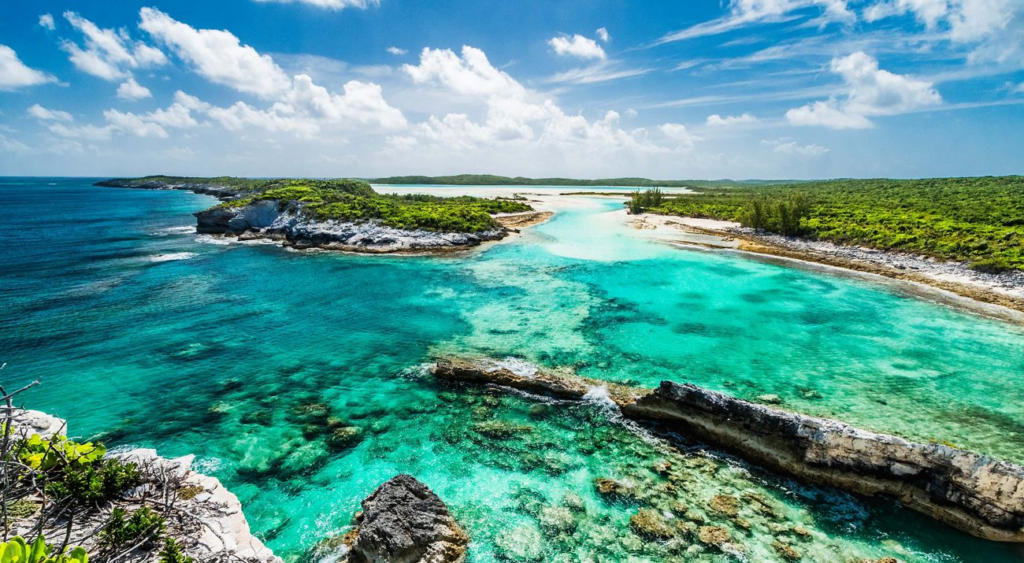
Caribbean Leaders in Second Passports
The Caribbean remains the global center of citizenship-by-investment programs, with several countries offering streamlined applications and minimal residency requirements.
St. Kitts and Nevis
The federation launched the world’s first modern citizenship-by-investment program in 1984. Applicants qualify through a government contribution starting around $250,000 or approved real estate investments beginning at about $325,000. Residency in the country is not required.
Antigua and Barbuda
This Caribbean nation offers citizenship through a donation starting at roughly $230,000 or a real estate investment of $300,000. Applicants must spend at least five days in the country within the first five years.
Dominica
Dominica provides one of the most affordable programs in the Caribbean. Citizenship begins with a contribution of about $200,000 or an equivalent real estate investment. No residency requirement applies.
Grenada
Grenadian citizenship offers a distinctive benefit. Citizens may apply for the United States E-2 investor visa, an option unavailable to most Caribbean passports. The investment threshold starts at roughly $235,000.
Saint Lucia
Applicants can obtain citizenship through a government donation beginning at about $240,000 or an approved real estate investment starting near $300,000. The program does not require residency.
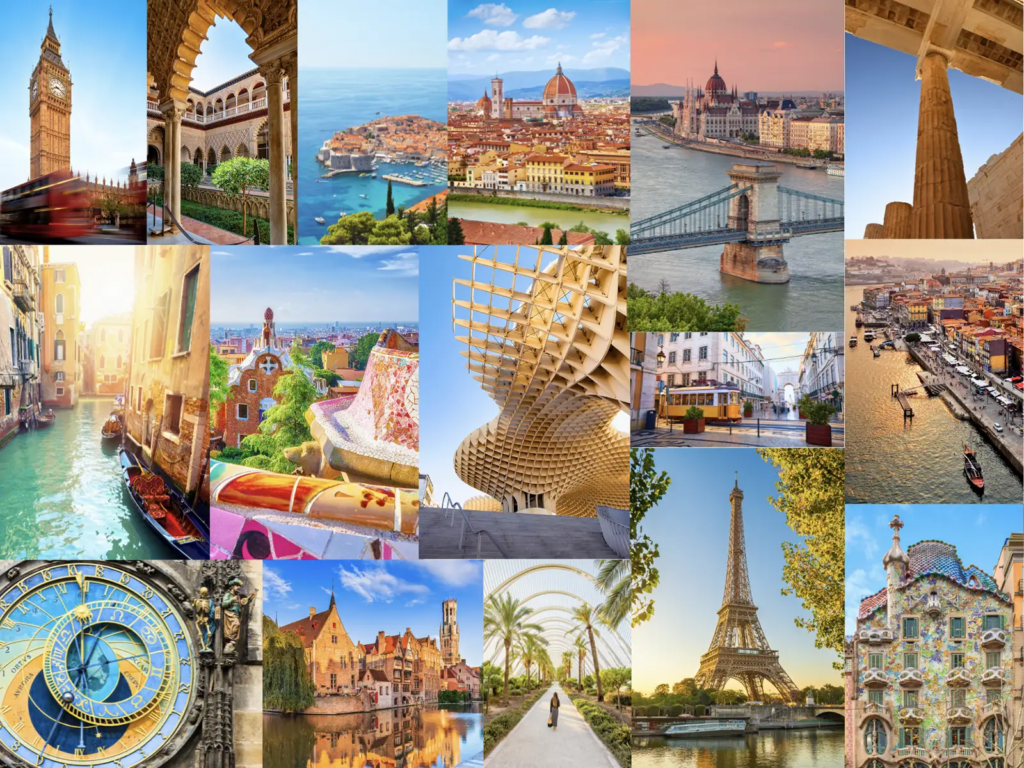
European Gateway Options
European programs have shifted in recent years as the European Union increased scrutiny of citizenship-by-investment schemes. Some countries outside the EU now attract investors seeking faster routes to a second passport.
North Macedonia
Citizenship may be obtained through approved investments starting at approximately €200,000, typically held for three years. The country sits in southeastern Europe but remains outside the European Union.
Turkey
Turkey offers citizenship through a real estate purchase worth at least $400,000 or alternative investments such as a $500,000 bank deposit. Investors generally hold assets for three years.

Middle East and Africa Programs
Several countries in the Middle East and North Africa have introduced citizenship-by-investment initiatives aimed at attracting global capital.
Egypt
Egypt offers a relatively low entry point outside the Caribbean. Applicants may qualify with a $100,000 donation or a $500,000 bank deposit held for three years.
Jordan
Jordan targets high-net-worth individuals through an investment program requiring approximately $1.4 million in qualifying investments.

Asia and Pacific Pathways
Citizenship-by-investment programs have expanded across Asia and the Pacific, creating new routes for global mobility.
Cambodia
Cambodia grants citizenship through investments beginning around $245,000, typically through government donations or approved projects.
Vanuatu
Vanuatu offers one of the fastest pathways to citizenship worldwide. Qualification begins at roughly $130,000 through its development support program.
A Growing Market for Global Mobility
Demand for second passports continues to increase. A Harris Poll cited in the report shows that nearly half of Americans either already hold or want a second passport, while about four in ten have considered relocating abroad.
Citizenship-by-investment programs operate within a changing regulatory environment. Governments now apply stricter background checks and financial oversight as the industry evolves.
For travelers, investors, and globally mobile professionals, these programs provide legal pathways to expanded residency rights, new business opportunities, and broader access to international travel.
Across Caribbean beaches, Mediterranean coastlines, desert capitals, and Pacific islands, the map of citizenship is expanding. A second passport increasingly serves as a strategic asset in a world defined by mobility.
