

Welcome to the age of too much choice
The post-pandemic travel surge has settled into something more complicated. People are still going. Outbound travel from the U.S. has grown year-over-year every month since early 2025, with over 107 million Americans traveling internationally in 2024. The demand is real. But the experience of planning a trip has become its own source of exhaustion, separate from the trip itself.
Call it the information era’s version of a travel problem. Every destination has a thousand blog posts. Every city has a definitive guide, then a counter-guide, then a “locals only” guide that is read by ten thousand tourists. The research never ends because the options never do. And somewhere between the forty-third tab and the third conflicting recommendation, the excitement that started it all quietly disappears.
What the numbers actually show
More than 40 percent of U.S. hotel bookings are now made within seven days of arrival. Travelers are holding off longer before committing, watching prices, keeping options open. The flexibility looks sensible from the outside. In practice, it produces worse choices at higher prices with more stress packed into a shorter window.
The destinations themselves are shifting too. The classic headline cities, the ones that built Instagram’s entire travel aesthetic, are losing ground to secondary cities with more character and less friction. Prague. Budapest. Malta. Smaller towns along the Sardinian coast. The Indian Himalayas. These places are gaining traction not because they are trending but because they actually deliver. The problem is that “go somewhere less obvious” is not a plan. It is the start of a new spiral of research.
The invisible drain of too many choices
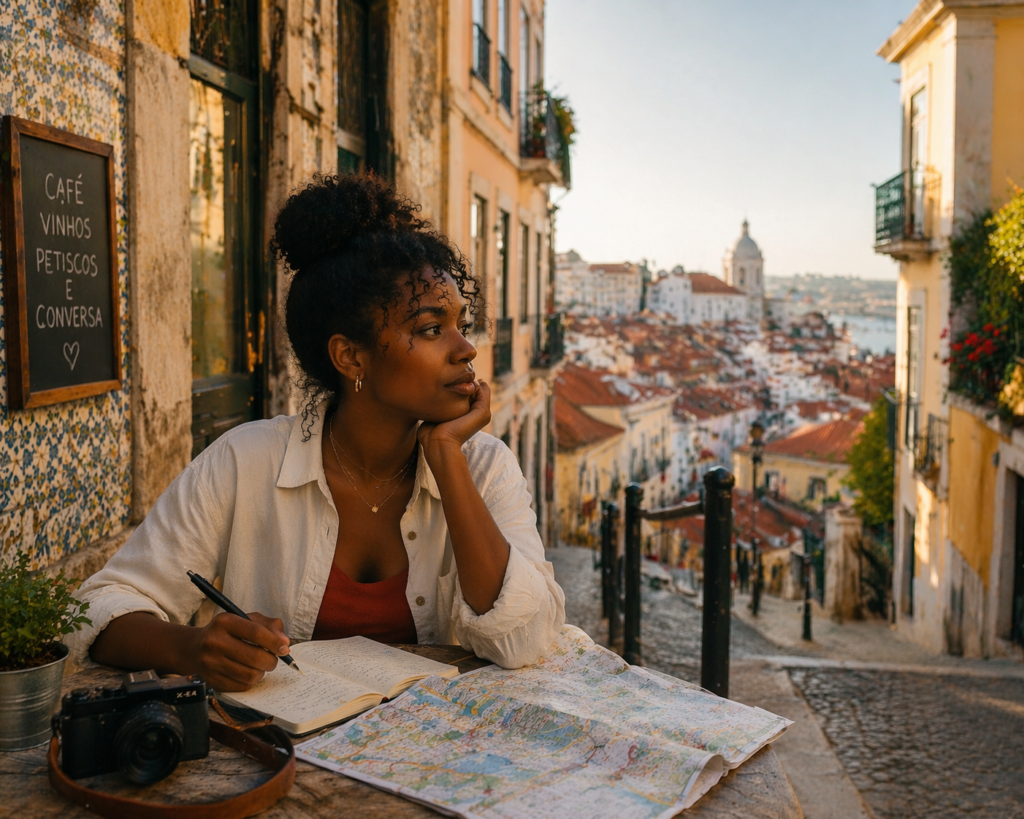
There is a documented phenomenon called decision fatigue. Processing choices depletes the same mental resources regardless of how large the decision is. A hotel room category and a dinner reservation draw from the same well. Travel planning is now built almost entirely from cascading small choices: destination, neighborhood, dates, property type, activities, transport, timing.
What starts as anticipation becomes a second job. More research does not produce a better trip beyond a certain point. It produces a traveler who arrives already tired, has over-planned to compensate for uncertainty, and spends the first two days unwinding from the process of getting there.

The mistakes that happen before anyone books anything
Planning around a destination instead of yourself.
Most people start with “I want to go to Japan.” Very few start with “I have 10 days, I genuinely struggle with heat, I care about food above everything else, and I get irritable in crowded places.” The destination should follow from self-knowledge, not precede it. When the order is reversed, even extraordinary places disappoint.
Confusing popularity with quality
The most searched destination is never the same as the right destination for you. Some places are famous because they photograph well. Heavily photographed places are heavily trafficked. Heavily trafficked places deliver a surface-level version of themselves to everyone equally, at a premium price. The traveler who spent two weeks in rural Oaxaca eating at spots with no online presence will tell you a better story than the one who hit every must-see in Mexico City.
Treating the itinerary as the goal.
Fully-scheduled trips produce beautiful records of what was seen. They do not always produce the loose, unaccounted-for afternoon that becomes the story told for years afterward. The room left in an itinerary is not wasted time. It is where the actual trip lives.
Choosing timing by availability, not by season
Prices tell you when the flights are cheap. They do not tell you that Santorini in August is overwhelming, that Patagonia in winter closes most of what you came for, or that Southeast Asia in monsoon season ranges from charming to genuinely miserable depending on the week and the country. Timing shapes the entire character of a trip. It belongs at the beginning of the conversation, not the end.
How to actually filter destinations
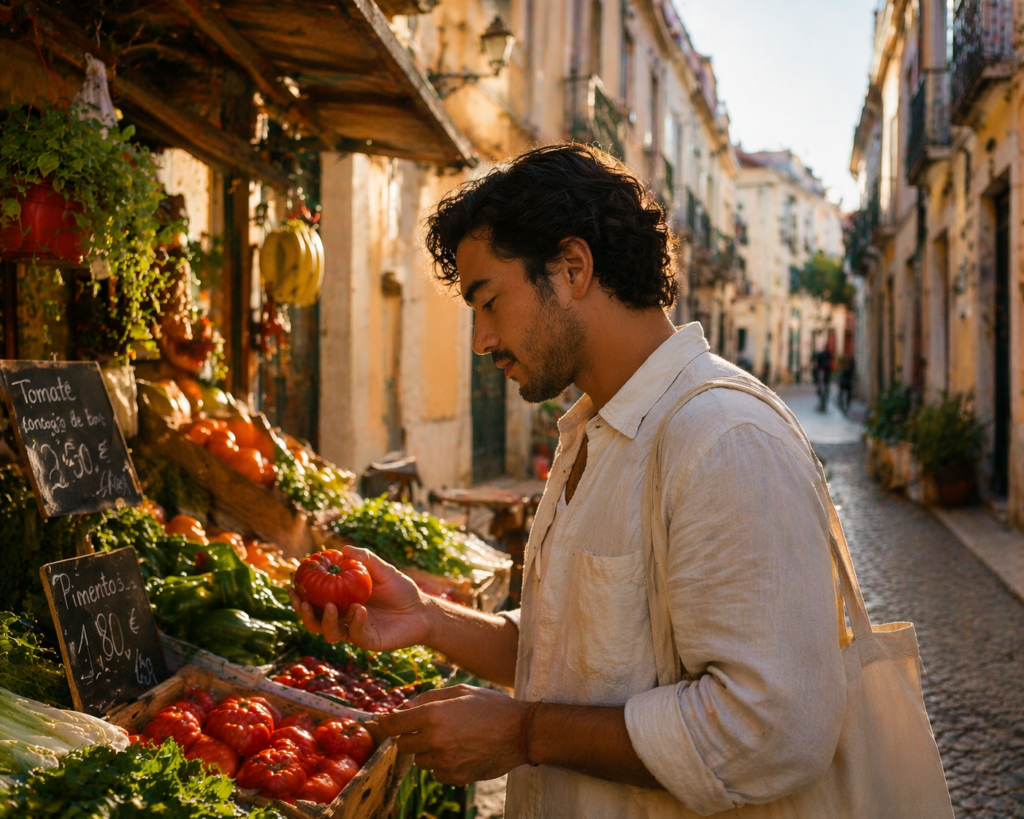
The right starting point is your constraints, made non-negotiable. How much time do you genuinely have, door to door, including travel days? A five-day trip to Southeast Asia is mostly airports. A five-day trip to Portugal is a real experience.
Then ask what you are trying to feel. Rest and disconnection is a different trip from stimulation and novelty. Food and culture is a different trip from landscape and physical challenge. People who skip this question end up with technically beautiful trips that feel slightly wrong the whole time.
Then look at what the destination asks of you. Some places reward patience and improvisation. Some require advance planning to experience at all. Some are difficult without the language and extraordinary with it. Matching a destination’s demands to your genuine appetite and capacity matters as much as the destination itself.
Talk to someone with current, specific, firsthand knowledge of where you are going. Not a blog post from two years ago. Not a forum where nobody agrees. Someone who was there recently and knows what it actually delivers.
That is the work Ariventures does. Not building itineraries from a catalog, but asking the right questions first, knowing the difference between a place that sounds good in a pitch and one that actually holds up, and putting a trip together that fits the person taking it rather than a template. The gap in travel right now is not options. It is judgment about which option is actually the right one for you.
Find out more at www.ariventures.co
