
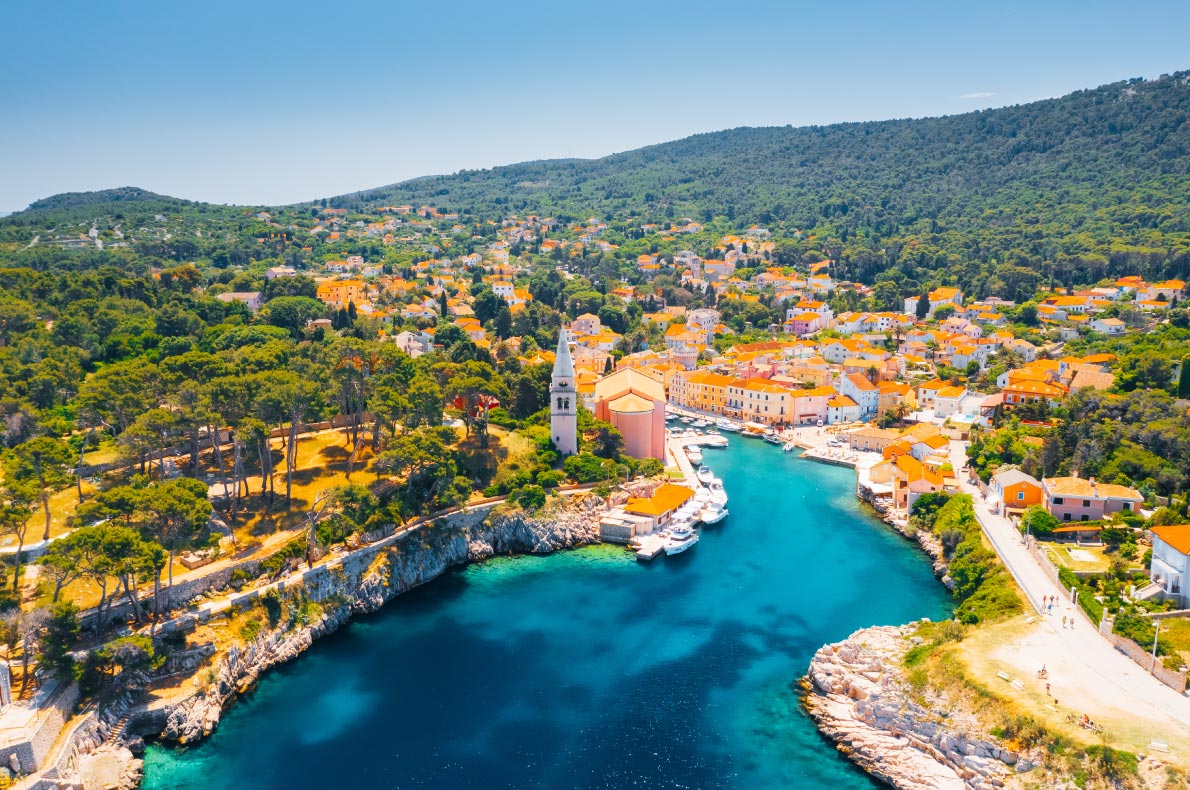
When most travelers think of Europe, they picture Paris, Rome, and Barcelona. However, the continent’s true magic often lies in its smaller, lesser-known cities—places where cobblestone streets, centuries-old architecture, and authentic local traditions remain untouched by mass tourism. For those seeking hidden Europe travel, these destinations offer unique cultural experiences, slower rhythms, and the chance to see a side of Europe few visitors encounter.
These five small cities are perfect for travelers eager to explore the authentic, often overlooked corners of Europe before everyone else catches on.
1. Gjirokastër, Albania
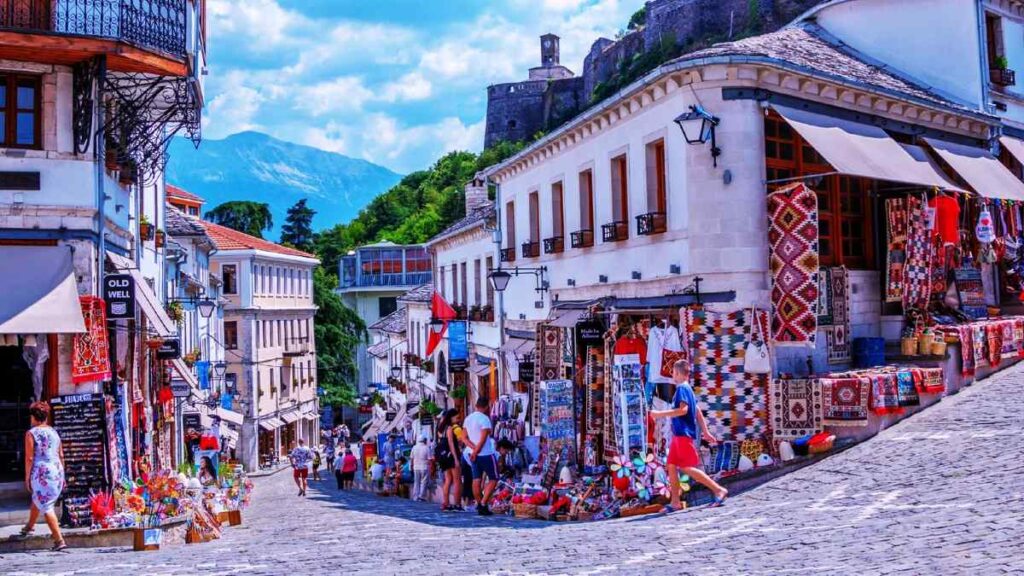
Known as the “City of Stone,” Gjirokastër is perched on a hillside in southern Albania and boasts a UNESCO World Heritage designation. Its Ottoman-era stone houses, narrow winding streets, and imposing hilltop castle transport visitors back in time.
Travel tips:
- Spend the night in a traditional guesthouse for a full cultural immersion.
- Explore the Gjirokastër Castle, which offers panoramic views of the Drino River valley.
- Sample local cuisine like qifqi (rice balls) and tavë kosi (baked lamb with yogurt).
With fewer tourists than more famous Balkan destinations, Gjirokastër provides an intimate, authentic experience perfect for slow travel enthusiasts.
2. Český Krumlov, Czech Republic
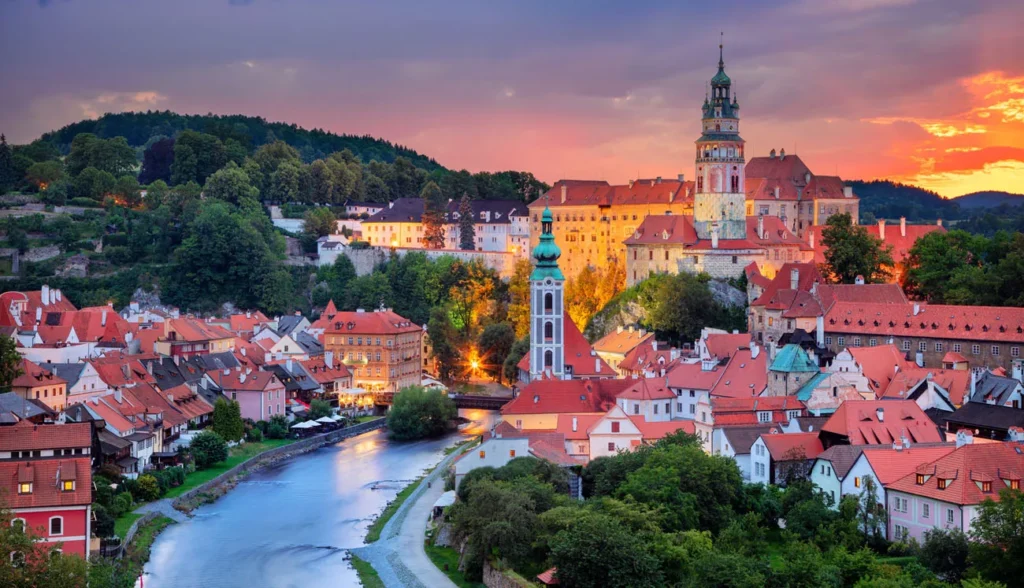
Nestled in South Bohemia, Český Krumlov looks like something out of a fairy tale. Its castle overlooks winding streets filled with colorful baroque buildings, quaint cafés, and artisan shops. While it sees more visitors than a decade ago, it still retains a small-town charm that Prague often lacks.
Travel tips:
- Visit in spring or early autumn to avoid crowds and enjoy the town at a leisurely pace.
- Take a river rafting tour for a unique perspective of the city’s architecture.
- Attend a local music or theater festival to experience authentic cultural life.
Český Krumlov is ideal for travelers who want history, art, and charm without the chaos of larger cities.
3. Matera, Italy
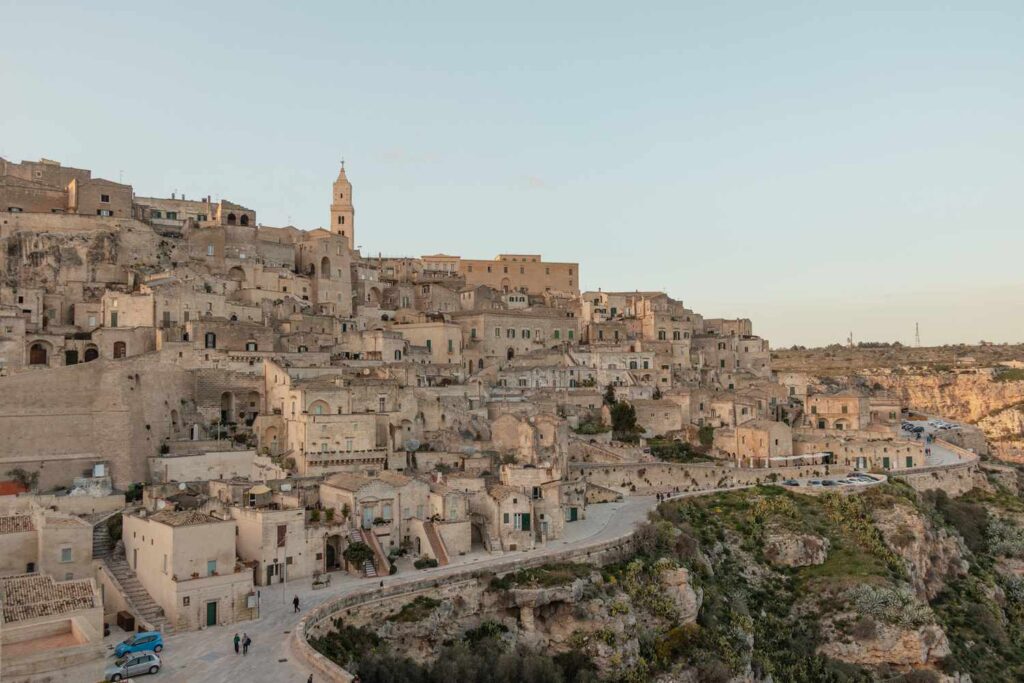
Matera, in Italy’s Basilicata region, is famous for its ancient cave dwellings known as “Sassi.” Once abandoned, these homes have been transformed into boutique hotels, galleries, and restaurants. Matera combines history, gastronomy, and art in a way that few other European cities can.
Travel tips:
- Stay in a Sassi cave hotel for an unforgettable experience.
- Explore the numerous rock churches and ancient alleyways on foot.
- Try local specialties such as pane di Matera (bread) and lamb dishes prepared with regional herbs.
Matera appeals to travelers seeking immersive cultural experiences, slow living, and authentic Italian charm away from the usual tourist circuits.
4. Tartu, Estonia
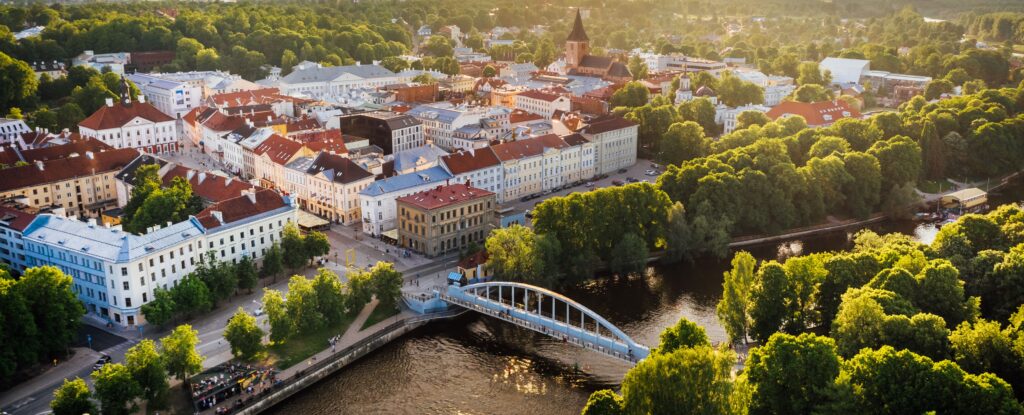
Estonia’s second-largest city, Tartu, is a hub for culture, education, and innovation. Its compact city center blends colorful architecture, cozy cafés, and a youthful vibe thanks to its university population. Tartu was named the European Capital of Culture in 2024, highlighting its growing reputation as a creative hotspot.
Travel tips:
- Visit the Tartu Art Museum and the Estonian National Museum for cultural insights.
- Stroll along the Emajõgi River and enjoy a riverside picnic.
- Explore the surrounding nature trails for quiet escapes from urban life.
Tartu offers a mix of intellectual energy and calm scenery, making it perfect for travelers who appreciate both culture and wellness-oriented slow travel.
5. Girona, Spain
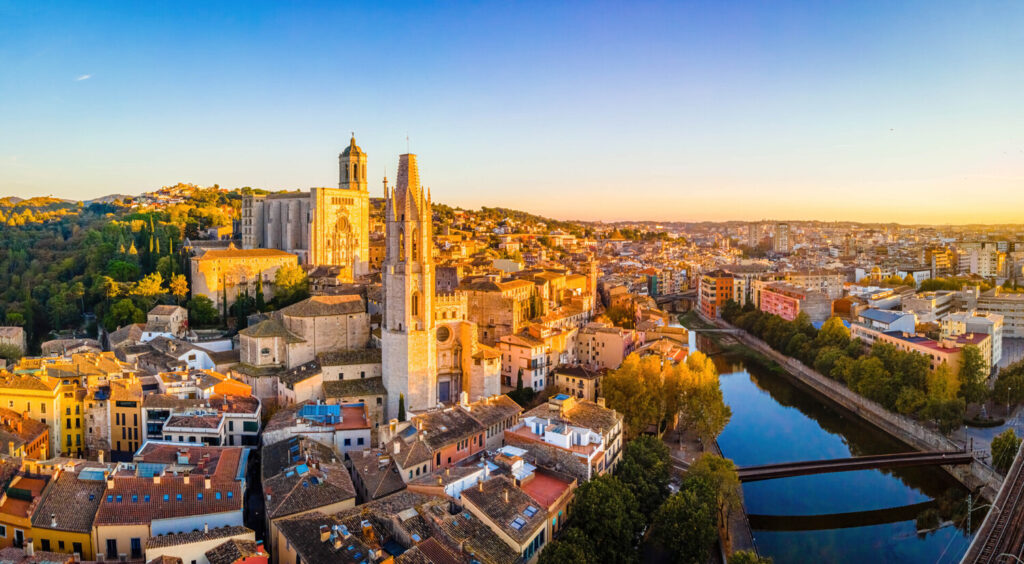
Just a short train ride from Barcelona, Girona is a Catalonian gem with medieval architecture, colorful riverside houses, and cobbled streets perfect for wandering. It’s also home to world-class gastronomy, including restaurants that rank among Spain’s best.
Travel tips:
- Walk the ancient city walls for panoramic views.
- Explore the Jewish Quarter, one of the best-preserved in Europe.
- Visit the Arab Baths and enjoy local pastries in a quiet café.
Girona allows travelers to enjoy Catalonia’s history and cuisine without the crowds of nearby Barcelona, combining convenience with hidden charm.
Why Hidden Europe Travel Matters
Choosing lesser-known cities supports sustainable tourism and rewards travelers with authentic experiences. Hidden Europe travel emphasizes immersion over checklist sightseeing, enabling cultural exchange, meaningful connections, and a slower, more mindful way to explore the continent. By venturing beyond iconic capitals, you’ll uncover stories, traditions, and scenery that few others see.
Final Thoughts
Europe’s small cities hold some of its deepest treasures. From Gjirokastër’s Ottoman streets to Girona’s medieval charm, these destinations offer a fresh perspective for curious travelers. Embracing hidden Europe travel allows you to experience the continent authentically, sustainably, and at your own pace—before the crowds discover the magic for themselves.
