
A potential U.S. government shutdown this week could cause disruptions that affect not only domestic travel but also global travel connections. From longer airport lines in the United States to slower visa processing for international travelers, the impact could ripple across the world.
When a shutdown occurs, nonessential federal operations stop. Many U.S. airport workers, including TSA agents and air traffic controllers, are required to work without pay. Air traffic control training and system improvements would also be paused. While flights and trains would continue operating, the shutdown could cost the travel industry up to $1 billion a week and create complications that extend beyond U.S. borders.
How Travel in the U.S. Could Be Affected
Airports
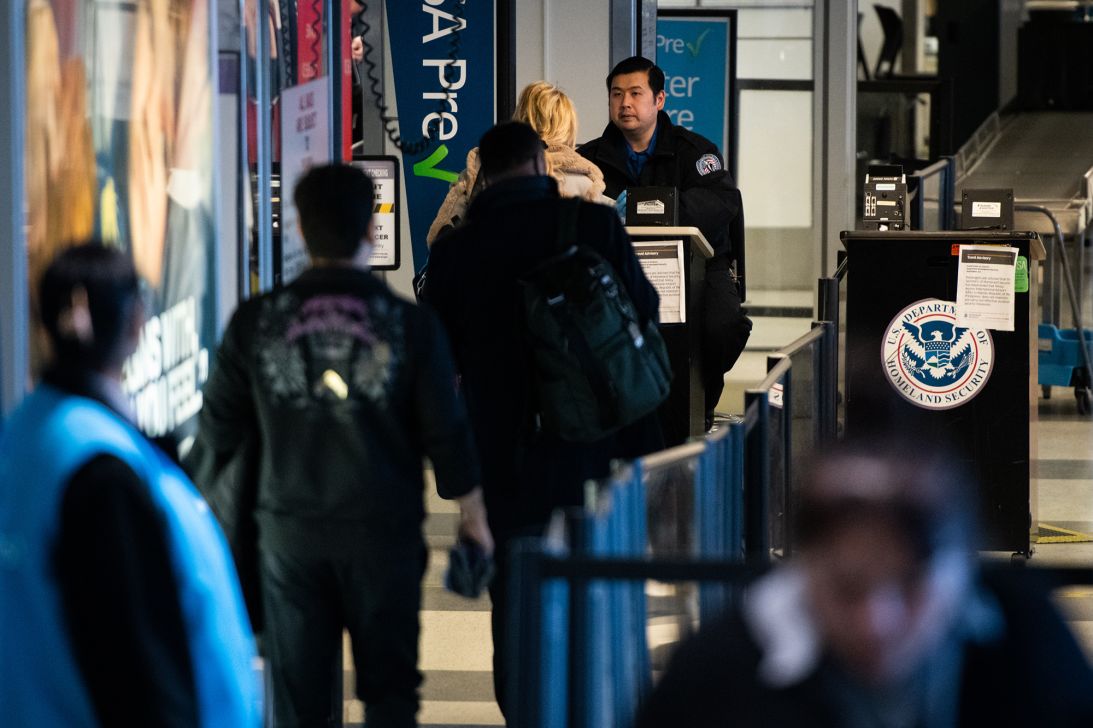
Travelers flying within or out of the United States should prepare for long security lines and potential delays. With TSA agents and air traffic controllers working without pay, there is a higher risk of call-outs and closed checkpoints, leading to cascading delays.
Trains
Rail services such as Amtrak would continue to run, as their operations are not directly dependent on federal appropriations.
National Parks
Most U.S. national parks would close completely. For those that remain partially open, services would be limited. A shutdown can turn away nearly a million visitors each day and cost surrounding communities up to $77 million daily. Some states may temporarily fund parks to keep them open.
Museums and Monuments
Smithsonian museums could stay open briefly but would eventually close. While open-air monuments would remain accessible, facilities such as visitor centers and restrooms may shut down.
Passports and Visas
Most U.S. passport and visa services would continue since they are funded by fees. However, processing delays could occur if staff or resources are limited. Emergency and diplomatic cases would take priority.
Borders and Ports
Borders and ports would remain open. Immigration and customs staff are considered essential, so international travelers with valid documents should still be able to enter the country.
Global Implications
The U.S. travel system is deeply interconnected with global mobility. Disruptions within the United States can create a ripple effect for international travel:
- Delayed Departures and Missed Connections: Long lines and staffing shortages at U.S. airports could lead to delayed international departures, causing travelers to miss onward flights abroad.
- Strain on Global Airlines: Carriers with heavy operations in the U.S. may face scheduling disruptions, leading to delays that extend to other regions.
- Visa Wait Times for International Travelers: Those planning to visit the U.S. may face longer processing times for visas if federal staff are reduced.
- Tourism Losses Beyond the U.S.: When fewer international visitors can smoothly enter the U.S., global tourism economies tied to American travelers may feel the impact.
What You Can Do If You’re Flying Soon
If you have upcoming travel while a shutdown is active, here are a few steps to minimize disruptions:
- Arrive Early: Give yourself extra time at the airport, especially for security and customs. Long lines may be more common.
- Monitor Airline Apps: Download your airline’s app to stay updated on delays, gate changes, and rebooking options.
- Purchase Travel Insurance: Choose a plan that covers delays, cancellations, and closures. It provides peace of mind if your plans are disrupted.
- Keep Documents Ready: Ensure passports, visas, and travel documents are valid and accessible. Processing delays make it especially important to be prepared.
- Stay Flexible: Build flexibility into your itinerary. If possible, avoid tight connections that could be affected by delays.
- Check Park and Museum Access: If your trip includes national parks or Smithsonian sites, confirm whether they are open before you go.
The Bottom Line
A U.S. government shutdown could disrupt both domestic and international travel. Long security lines, delayed flights, closed parks, and slower visa processing all pose risks. For travelers heading abroad or flying into the United States, disruptions in one country’s system can easily affect global itineraries. Purchasing travel insurance that covers delays, cancellations, or closures is one of the best precautions. The added layer of protection ensures that you are prepared if travel disruptions extend beyond U.S. borders.
