
For students studying abroad, a U.S. government shutdown is not just a headline. It can have real consequences on travel plans, visa processing, financial aid, and the ability to navigate emergencies while overseas. Whether you are preparing to leave, already abroad, or planning to return home, understanding the impact of a shutdown is essential.
Passport and Visa Services
Most passport and visa processing continues during a shutdown because these programs are funded through fees. However, delays can occur if offices face reduced staffing or run out of resources. For students needing last-minute passport renewals or visa approvals before departure, this can create stressful setbacks. Emergency and diplomatic cases take priority, which may slow down standard student applications.
Financial Aid and Federal Programs
Students who rely on U.S. federal financial aid may experience disruptions. While disbursements often continue, shutdowns can delay processing timelines. Students abroad should stay in touch with their home university’s financial aid office to confirm whether funds are affected.
International Travel and Airport Delays
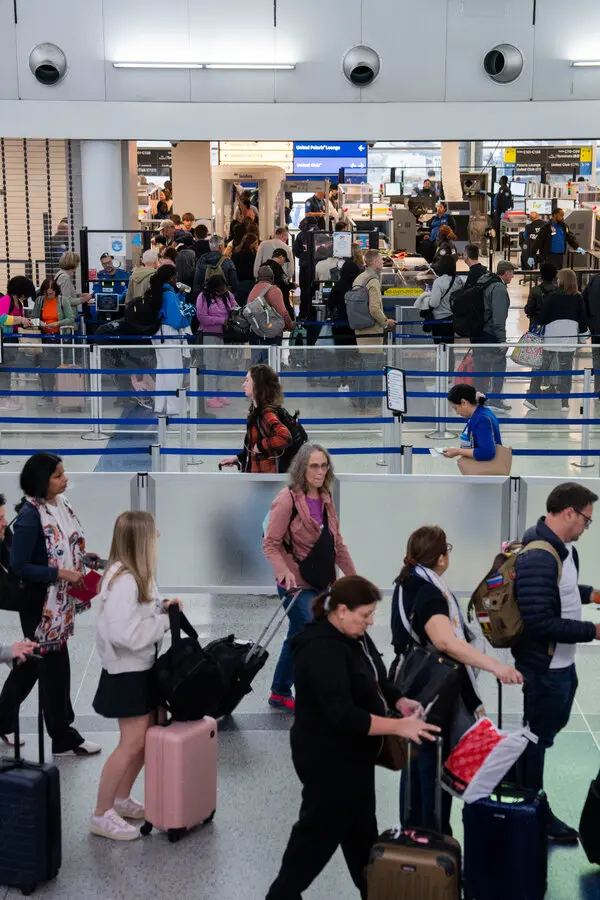
Departing the United States during a shutdown could involve long TSA lines, delayed flights, or rescheduled connections. For students traveling to or from study abroad destinations, this increases the risk of missed flights or expensive last-minute changes. Building flexibility into your itinerary becomes even more important.
National Parks, Museums, and Research Access
For students conducting fieldwork or research in the U.S. before heading abroad, closures of national parks, Smithsonian museums, or federally funded research facilities could disrupt academic projects. These closures may also affect planned excursions for international classmates visiting the U.S.
Consular Services Abroad
U.S. embassies and consulates remain open, but certain services may slow if staffing is stretched. Students should expect possible delays for routine appointments or paperwork. In emergencies, essential consular support remains available, but non-urgent requests may take longer.
What Students Can Do
- Check Your Passport and Visa Now: Make sure your documents are valid for your entire program abroad. Renew early if needed.
- Stay in Touch with Your University: Financial aid offices and study abroad advisors will provide updates if federal funding is delayed.
- Purchase Travel Insurance: Choose a policy that covers delays, cancellations, or unexpected costs.
- Allow Extra Travel Time: Plan for long lines at airports and possible rescheduling.
- Register with STEP: The U.S. State Department’s Smart Traveler Enrollment Program (STEP) helps students receive updates and be located in an emergency.
- Keep Emergency Funds: Having a cushion of savings can help cover delays in aid or sudden travel expenses.
The Bottom Line
A U.S. government shutdown may feel distant while studying abroad, but it can still affect passports, financial aid, and travel logistics. By planning ahead, registering for STEP, and staying flexible, students can reduce the impact on their studies and focus on making the most of their time abroad.
