
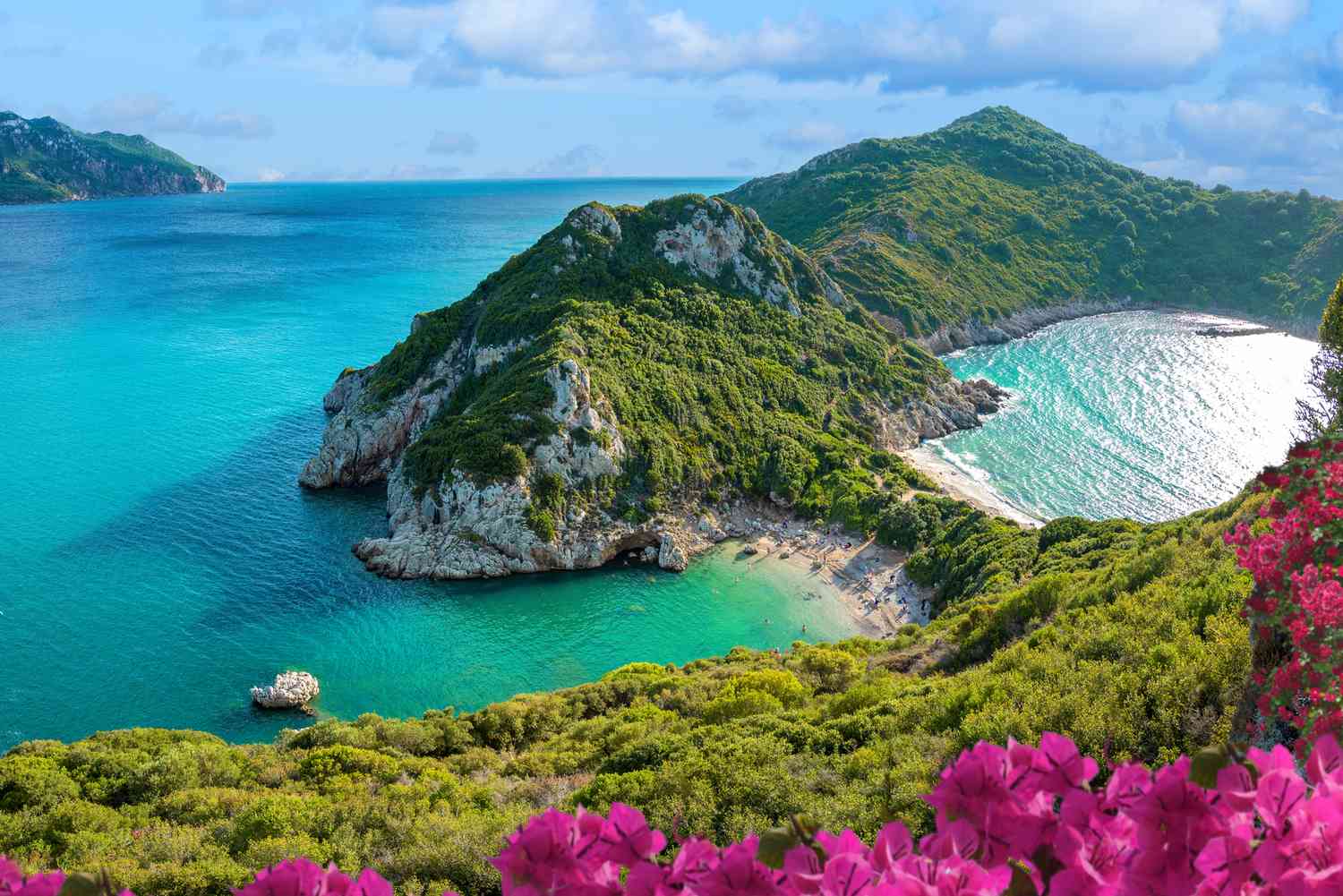
International Living just named Greece the world’s best place to retire in 2026. It topped the publication’s 35th annual index, sliding past Portugal and Spain, the two countries that used to own that conversation. The pitch is hard to argue with: a Mediterranean life, olive groves, island light, and a monthly budget the report puts as low as $2,500 with rent included.
You can feel what happens next. Someone screenshots the headline, drops it in the group chat, and within an hour three people are pricing one-way flights and reading about residency visas at midnight. It happens every couple of years. Portugal had its moment. Spain had its moment. Now a sun-bleached stretch of the Aegean is having its.
We understand the pull completely. We also think the smartest thing you can do with that impulse is book two weeks, not a moving truck.
Why Greece, why now
The shift is less romantic than the headlines suggest. Portugal and Spain spent a decade as the default answer for anyone dreaming about a softer, sunnier life, and that popularity did what popularity does. Prices climbed. Visa rules tightened. Portugal pulled back its famously generous residency terms, and the math that made it irresistible got harder to pencil out.
Greece stepped into that gap. The cost of living still reads like a different decade, the residency paths are more accessible than its neighbors’, and the country has thousands of islands plus a mainland most people never explore past Athens. International Living’s line about olive trees outnumbering people is marketing, but it points at something real. There is a version of Greece that is quiet, slow, and genuinely affordable. That is exactly why it deserves a trip before it gets a lease.
What the index is actually measuring
A retirement index is a useful tool with an honest blind spot. It scores the things you can put in a column: cost of living, healthcare access, visa friendliness, the price of a one-bedroom near the water. Those numbers matter, and they are why a list like this moves so many people every year.
What no index can score is whether you’ll like your own life once you are inside it. The number tells you Greece is affordable. It says nothing about whether you’ll love the version of yourself who lives there in November, when the cruise ships are gone and the tavernas you bookmarked have closed for the season. The ranking optimizes for the spreadsheet. You have to optimize for the Tuesday.
The fantasy and the Tuesday
A vacation and a life are two different countries that happen to share a coastline. On a trip, Greece is long lunches, a swim before dinner, and that particular evening light that makes everyone reconsider their choices. A life there includes February. It includes the post office, the residency paperwork, the August when your favorite island vanishes under crowds, and the winter when the ferry schedule thins to almost nothing.
None of that is a reason to stay home. It is a reason to go properly first. A real trip, the kind where you rent an apartment in a neighborhood instead of a room on the water, tells you which Greece you actually fell for. The postcard one, or the Tuesday one. Both are worth loving. Only one of them is the life you would be signing up for.
What a trip tells you that a spreadsheet can’t
My own case for going first is named Corfu. It never tops a retirement index, which is half its appeal. It isn’t a major hub, so it stays quieter than the islands everyone can name, and the pace drops the moment you step off the boat. Mornings are slow, lunches run long, and the food is the best argument the Ionian has ever made for itself.
Here is the part no index would think to mention. Corfu sits close enough to Albania that you can catch a ferry across and be standing in a second country by lunch. Ksamil is the reason to do it: turquoise water, almost no pretense, and a coastline that still feels like a secret. Two countries in one trip, and a stretch of the Mediterranean the rankings haven’t caught up to yet. You learn that from a ferry timetable and a free afternoon, not a spreadsheet.
This is the whole reason Ariventures exists. We don’t plan trips we haven’t been on, because a place reveals itself in details no index can hold: which neighborhood gets the morning sun, which early ferry is worth the alarm, which taverna still has the owner’s mother cooking in the back. A spreadsheet can confirm that $2,500 covers your month. It cannot tell you whether you’ll be happy spending it there.
Go see for yourself
If a country has worked its way into your group chat and your bookmarks, read that as a sign to visit, not to relocate. Spend the two weeks. Walk the same street three mornings in a row. Find out whether the fantasy survives contact with the place. If it does, you’ll move with your eyes open. If it doesn’t, you’ll have had a remarkable trip and saved yourself an expensive lesson.
Greece will still be there either way. So will whatever country tops the list in 2028.
Follow along on Instagram and TikTok, where we’re sharing the places worth the flight long before they’re worth the lease.
